Industrial Videoscope Applications in Different Industries | Complete Guide
Industrial Videoscope Applications in Different Industries
Industrial videoscopes are essential non-destructive testing (NDT) tools that enable technicians to inspect internal structures of machinery, pipelines, engines, and equipment without dismantling. Their flexibility, high-resolution imaging, and articulating probe technology make them indispensable in aerospace, automotive, manufacturing, energy, and public safety sectors. This guide summarizes the most important real-world applications of videoscopes across major industries.
1. Aerospace Industry
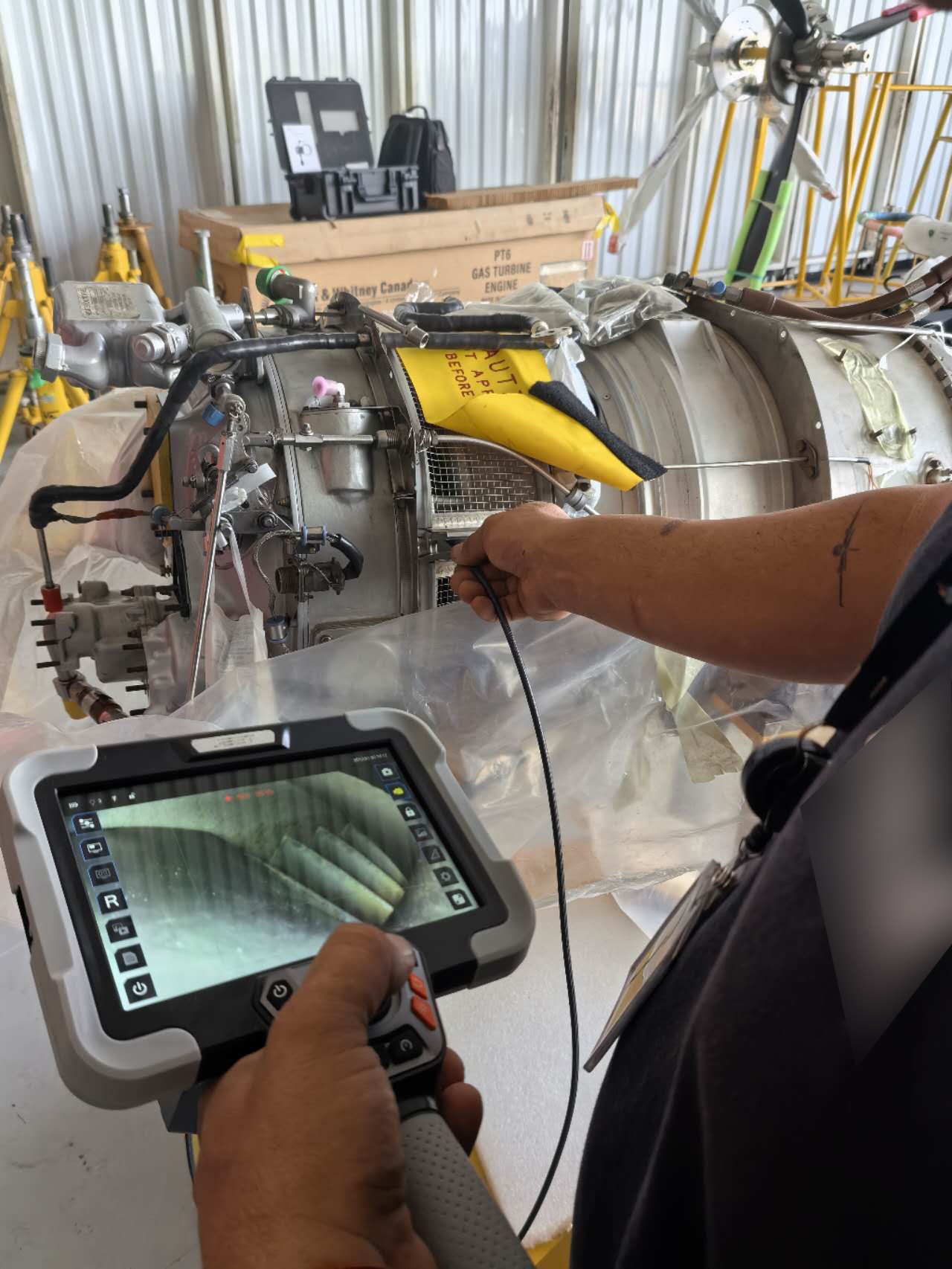
Aircraft engines, turbines, and complex internal structures require routine and precise inspections. Videoscopes allow engineers to identify early-stage defects before they escalate into safety risks.
- Turbine blade inspection for cracks, erosion, and foreign object damage (FOD).
- Combustion chamber evaluation.
- Weld quality verification in aviation components.
- Maintenance of auxiliary power units (APUs).
- Routine pre-flight and post-flight inspection tasks.
2. Automotive Manufacturing and Maintenance
Videoscopes are widely used in engine diagnostics, vehicle maintenance, and manufacturing quality control. They reduce disassembly time and help technicians pinpoint internal problems quickly.
- Engine cylinder and piston inspection.
- Fuel injector and intake valve observation.
- Catalytic converter checks.
- Used vehicle inspection (engine health evaluation).
- Quality control in automotive production lines.
3. Industrial Manufacturing
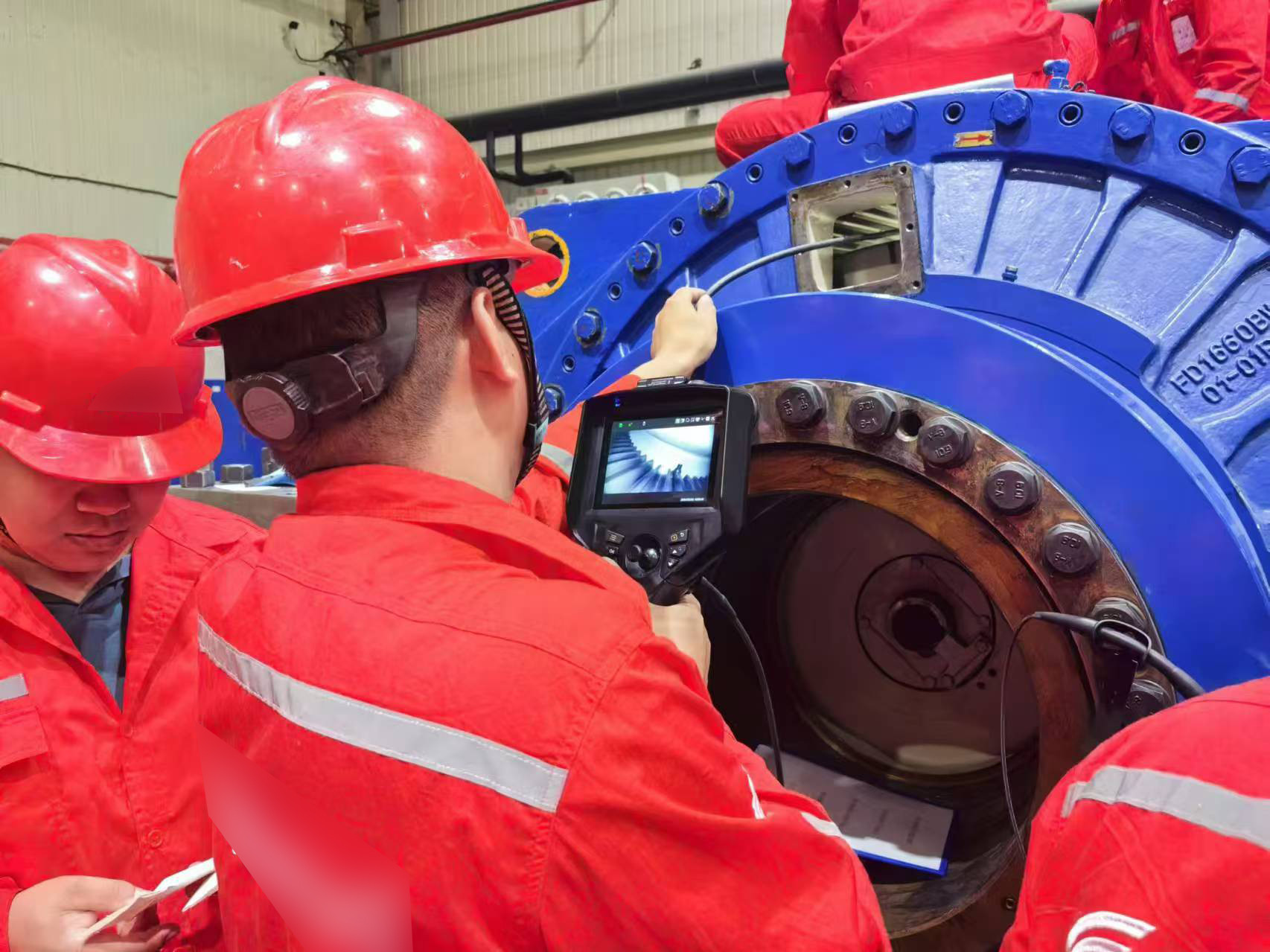
Manufacturing equipment often operates under high temperature, pressure, and load. Videoscopes assist in routine maintenance, minimizing downtime and ensuring operational stability.
- Inspection of internal surfaces of pipes and molds.
- Weld seam quality checks.
- Gearbox, valve, and pump chamber diagnostics.
- Preventive maintenance of large production machinery.
- Robotic and AI-driven automated inspection systems.
4. Energy and Power Generation
Power plants—nuclear, thermal, wind, and hydro—require periodic NDT inspections. Videoscopes help ensure the reliability of critical infrastructure.
- Boiler tube inspection for corrosion and deposits.
- Heat exchanger internal cleaning evaluation.
- Wind turbine gearbox inspections.
- Pipeline integrity checks in oil and gas sectors.
- Valve and pump maintenance.
5. Public Safety and Law Enforcement
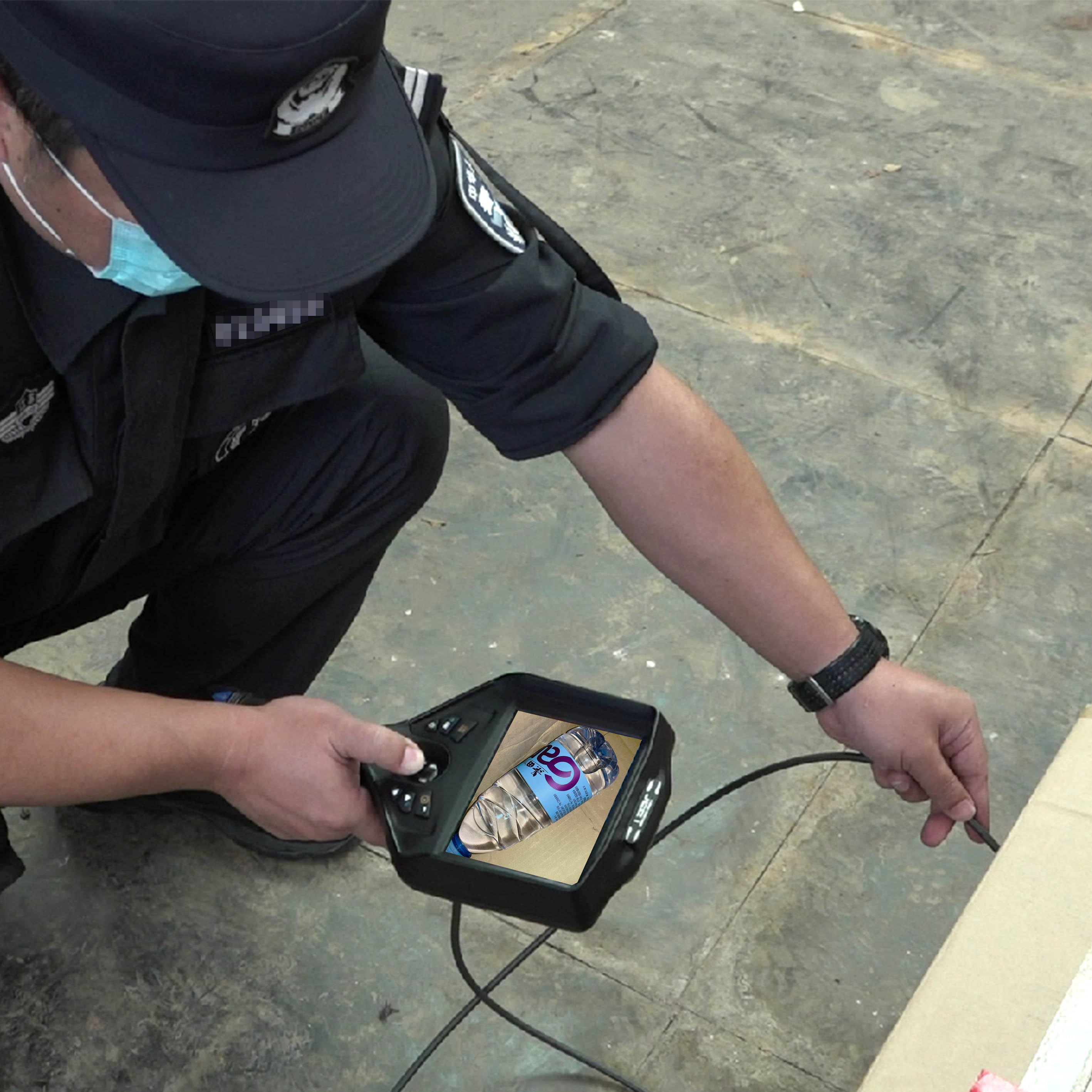
Flexible videoscopes are widely used in police, security, and firefighting operations for rapid situational assessment without exposing personnel to danger.
- Search and rescue in confined spaces.
- Drug and contraband investigation in vehicles or hidden rooms.
- Bomb disposal unit inspections.
- Fire investigation and structural monitoring.
- Criminal evidence search in restricted areas.
Conclusion
Industrial videoscopes have become critical tools for modern inspection, maintenance, and safety operations. Their ability to deliver high-resolution imaging in confined or hazardous areas makes them valuable across aerospace, automotive, manufacturing, energy, and security sectors. Choosing the right videoscope improves inspection efficiency, enhances safety, and reduces operational downtime.